November 30, 2016 · Team HG
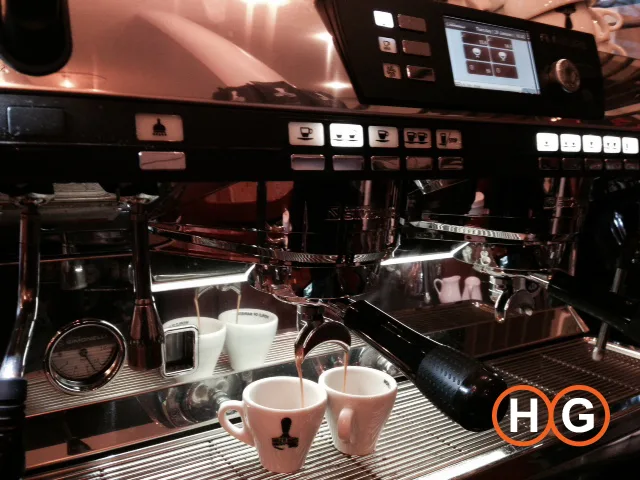
In 2016, the Netherlands had approximately 358 coffee bars, and this number is increasing. In a relatively short time, the coffee bar has become a household name within the Dutch hospitality industry.
In recent years, the modern coffee bar has experienced strong growth in numbers and popularity. Metropolitan areas, shopping centers, airports, student campuses, libraries, highways, and other high-traffic points are the most sought-after locations for establishing new sites. This is evident from research by Van Spronsen & Partners hospitality consultancy.
In 2016, the Netherlands had 1,675 coffee corners. The coffee corner falls under the beverage sector and consists of various business types such as coffee bars, coffee houses, and tea houses, as well as cafés and coffeeshops (soft drugs). Over the past 10 years, coffee corners have experienced limited growth of 16% to a total of 1,675. Within this sector, however, coffee bars (358) have increased significantly (exact growth figures are unavailable). The chains are pursuing further growth in various locations. There is growth potential in high-traffic locations, business centers, and shop-in-shop opportunities. The consultancy firm expects that growth will continue for the time being.
The top 3 provinces with the highest density of coffee bars are North Holland, Utrecht, and Groningen. North Holland is very strongly influenced by Amsterdam in this regard. The top 5 cities in terms of the number of coffee bars at the beginning of 2016 were Amsterdam (99), Rotterdam (26), Utrecht (23), The Hague (20), and Groningen (12). When looking at the top 5 based on density, Rotterdam and The Hague are pushed out of the list by Maastricht and Zwolle. The average density in the Netherlands is 2.1 coffee bars per 100,000 inhabitants.

Coffee bars have a strong focus on product quality. The dedication of baristas and knowledge of the origin, production, and roasting of the coffee bean are important components. The design of the coffee bar is a core element and is closely linked to the logo, decor, packaging, and online presence. Atmosphere and experience are very important for the relatively young consumer group. The consumption of sweet coffee varieties is popular, with relatively little regular coffee being consumed. The coffee bar is popular in combination with shopping and city visits, or simply for breakfast or lunch. Additionally, these locations are popular as alternative workspaces and meeting points for freelancers, students, or remote workers. The Dutch consumer is becoming increasingly accustomed to good coffee in hospitality establishments, on the go, and at work. Consequently, the to-go market continues to grow.

Read the industry booklet ‘The Coffee Bar in Picturesfor more information.