July 24, 2019 · Team HG
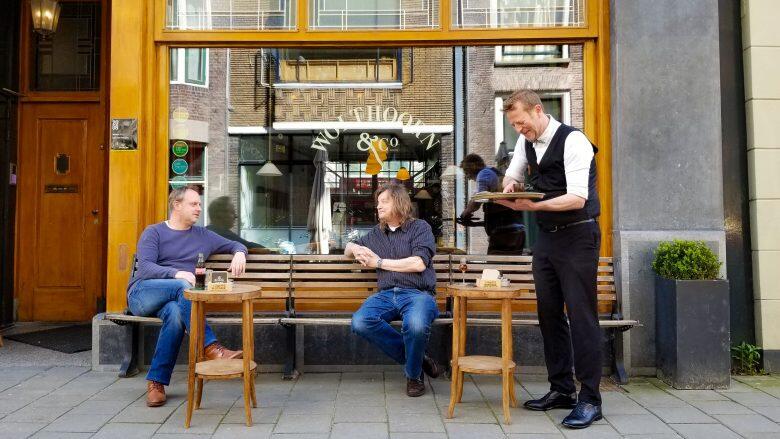
ZZwolle is once again the cheapest city for outdoor cafes in the Netherlands, Groningen average, and Amsterdam the most expensive, partly because it saw the largest price increase. The 7.8% increase means that consumers will spend €27.05 for a round of drinks on a terrace in the capital (an average of €3.40 per drink). By comparison, a round in Zwolle costs an average of €21.88. Nationally, the price for a round on a terrace rose by an average of 3.1% this year to €23.35, partly influenced by the increase in the VAT rate.
The average price increase may seem substantial, but is still less than, for example, the price increase in supermarkets, which raised prices by an average of 3.8% over the past year. These results come from the 13th edition of the terrace survey of Van Spronsen & Partners hospitality consultancy.
An increase of over 3% has not occurred in the study in recent years, yet it does not come entirely out of the blue. The increase in the VAT rate from 6% to 9% is reflected in the prices. These non-alcoholic beverages rose by 3.8% compared to 2.6% for beer and wine. The average price increase may seem substantial, but it is still less than, for example, the price increase in supermarkets, which raised prices by an average of 3.8% last year. Without the VAT increase, a round of drinks on a terrace came to an average of €23.07, representing an increase of 1.9%: the lowest in five years.
Research shows that the increase in the purchase price of beer is not fully passed on to the Dutch consumer. Last year, the purchase price of beer rose by 3.7%. Hospitality entrepreneurs raised the price of a small glass by 3.3%. Over the past ten years, the purchase price of beer rose by 46%, while the price in the hospitality sector was increased by 28%.
The biggest risers this year are Zoetermeer, Eindhoven, and Apeldoorn. They climbed four places. In Zoetermeer, prices are 5.3% higher than last year, in Eindhoven 4.3%, and in Apeldoorn 5%. However, none of these cities could match the 7.8% price increase in Amsterdam.

‘Terrace purchasing power’ is lowest in Amsterdam this year. This is determined by comparing the average disposable income of residents against terrace prices. Residents in Amsterdam have a ‘terrace purchasing power’ of an average of 20 rounds per week. Breda, just like last year, has the highest ‘terrace purchasing power’, where people can order an average of 25.7 rounds per week. The average ‘terrace purchasing power’ across all measured cities is 22.2 rounds per week.
The two trends primarily observed on Dutch terraces this year are quite contradictory: craft beers and non-alcoholic beers. Craft beers have been cited as a terrace trend for several years and have since secured their place on menus. The consumption and sales of non-alcoholic beers have taken off over the past two years.