February 7, 2018 · Team HG
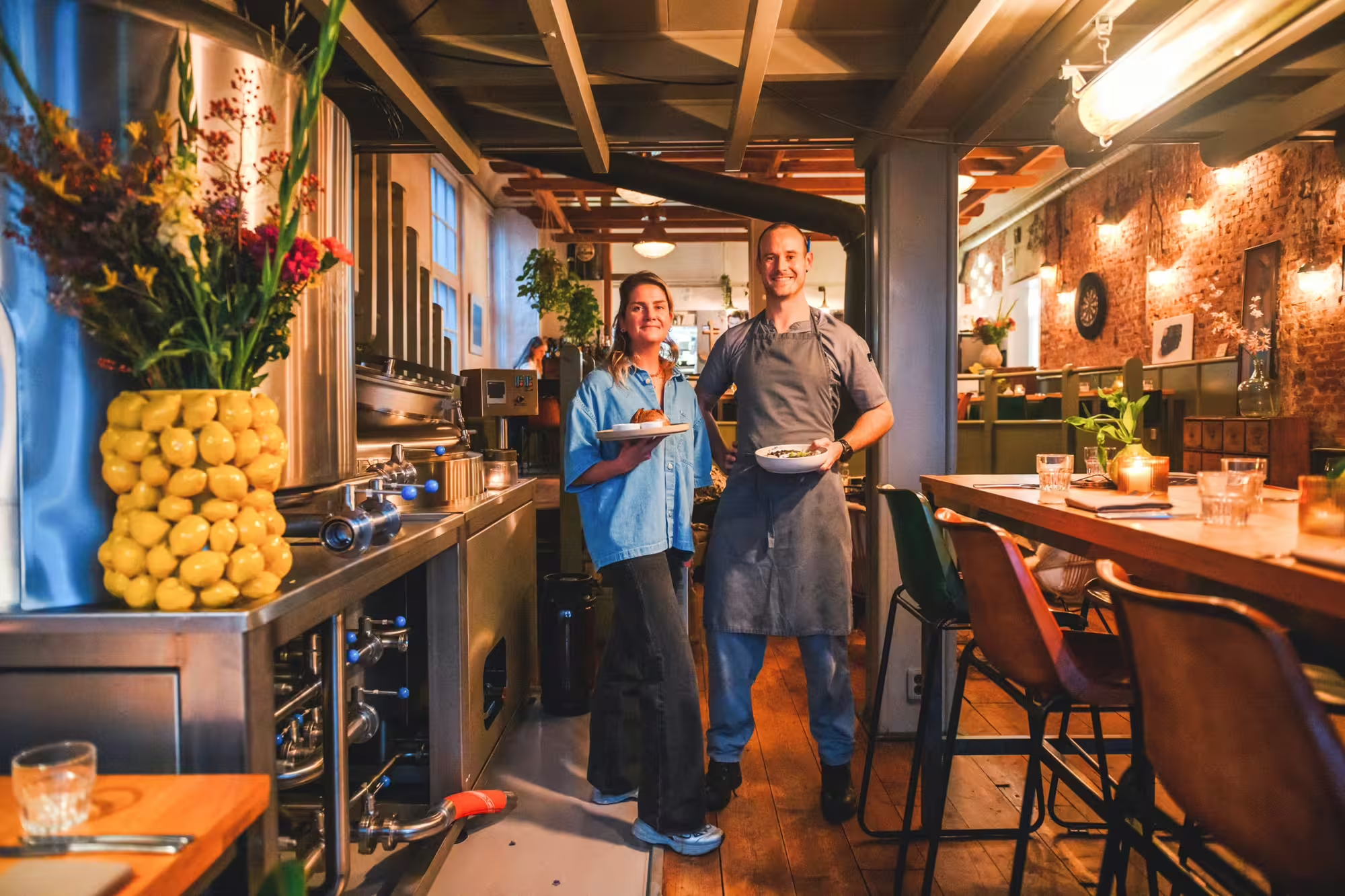
Last November, Bidfood organized an inspiring culinary trip to Seville (Spain). The trip is part of the program. Foodyard Travel and offers chefs, hospitality entrepreneurs, and food professionals an inspiring tour through this unique culinary city. This was also the case for Thomas Beekhuis from Groningen, who works at DOT Groningen, from March 1st at De Rietschans and best chef of the Northern Netherlands 2017 – 2018. Time to hear what he learned from the trip.
Thomas Beekhuis is the winner of the competition Ready Set Cook 2017 – 2018, which took place on the Hospitality Fair Northern Netherlands last October. The 29-year-old chef was therefore offered the trip to Seville together with colleague Sakarov Miguel for free on behalf of BidfoodHorecagroningen.nl spoke with Thomas, Sakarov, and Remko Fuchs (on behalf of Bidfood) about the trip, the surroundings, and particularly the culinary aspects of the destination.
On day one, the group of professionals visits an olive grove in the municipality of Estepa. They are taken through the story from the picking of the olives to the pressing and processing into oil. This concludes with an olive oil tasting, where not only smelling and tasting are important, but also what happens to the oil when you warm it between your hands.

The trip continues the next day at an authentic goat cheese farm in Aracena. The group gathers at an old house in the mountains and witnesses the entire process from curdling the milk to ripening the cheese – something that particularly stuck with the gentlemen in terms of the smell.

“It is so special to see that something so delicious can be made from very few products.” Said Sakarov.
Finally, the cooks were allowed to make their own cheese, but they do not dare put it in the suitcase to take to the Netherlands.

The chefs continue talking enthusiastically about the Ibérico farm they visited after the cheese factory in the village of Corteconcepción. It is a spacious farm with pigs living free in nature. One hectare of land is maintained per pig, planted with oak and cork trees. The animals are fed nothing else and are not treated with medication if they are sick. This results in athletic, high-quality pigs that fetch €3,000 at slaughter when fully grown. The travel companions get to see, experience, and once again taste the farmer's craftsmanship, quality, and passion.


The evenings were spent at the home base in Seville, where the kitchen was thoroughly tested by the travel group.
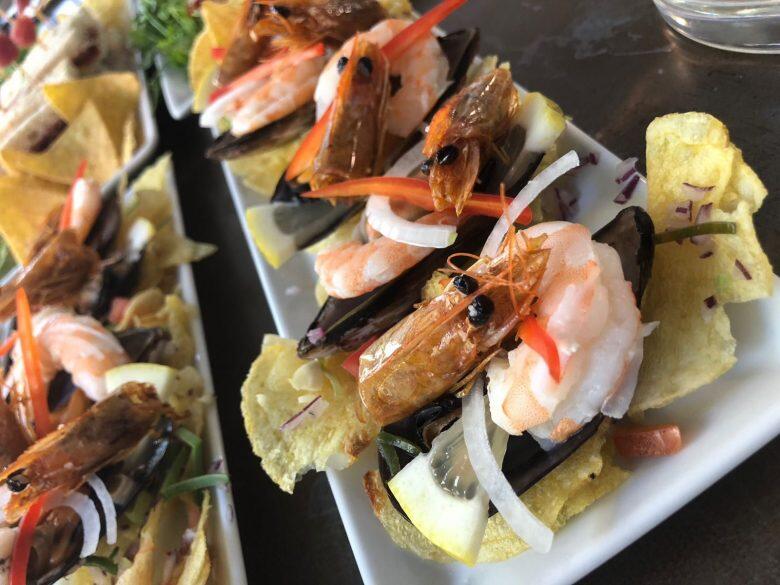
“We did a sort of tapas tour. That way, we visited many unknown little places and ate small, special dishes everywhere,” says Thomas.
Sakarov chimes in. He mentions being inspired by the various Spanish tapas and, a few dishes later, trying to recreate them in the Netherlands. For colleagues, that is; unfortunately for us.


The following day, the group departs for Barbate, a seaside village near the Moroccan border. Here, the gentlemen visit a well-known tuna processing plant. “It is special to experience all those different ways of processing tuna,” notes Sakarov, “Although I would never use canned tuna.” Thomas agrees, expressing surprise at the difference between the places they visit. “As small and passionate as the Ibérico farmer was, the tuna processing plant is just as large and massive.” Here, too, the gentlemen get to sample the food and discover, among other things, the unique combination of fresh tuna with salty cheese.

The journey continues in the afternoon in Jerez: the sherry capital of Spain. The men talk about the tour they received through the Bodega (Spanish translation for wine cellar). “We were surrounded by aromas of wood, yeast, sweetness, but also a hint of mold,” Sakarov remarks. The tour concluded with a tasting of sherries ranging from the driest to the most intensely sweet. “We were challenged to experience what time, air, and temperature do to this special drink,” says Remko. When asked if the chefs are also inspired by the Spanish fortified wine, it is mentioned that serving and cooking with this drink is more suited to ‘fine dining’; we are unlikely to encounter it at Dot.

The four-day trip is gradually coming to an end. On the final day in Seville, the group has the morning off. The chefs from Groningen seize the opportunity to stock up on souvenirs for those back home. The only instruction they received was to be present at a local cooking studio at the stroke of 12:00. Here, the party was divided into smaller groups to jointly prepare two different tapas inspired by the trip taken over the past few days. With a budget of €50 per group, the chefs are allowed to shop for local ingredients.
But what exactly did the trip add for the chefs? By making tapas themselves using all the knowledge gained in Andalusia, Thomas notes that tapas in the Netherlands cannot be compared to Spanish tapas. “In the Netherlands, we are used to tapas being simple and served in small portions, just so we can taste as much as possible. In Spain, taste and freshness come first.” Remko agrees: “Moreover, real tapas is region-specific. People eat different food in Seville than in Madrid or Barcelona. Everything that grows and roams in the region is used in the kitchen.” The view of the Spanish hospitality industry has also changed. “Hospitality in Spain is still a real craft, a trade.” In the Netherlands, it is often just a side job for young people and students. “In Spain, it is precisely the somewhat older men who know everything about hospitality and can literally explain every single ingredient.”
When asked what Thomas actually takes away from the culinary inspiration tour, he replies: “The beauty of the dish. It is my style to pay a lot of attention to the presentation of the food. In Spain, this is really secondary to the taste and freshness of the dish. My goal is to become as complete a chef as possible, so the trip has certainly contributed to that.”

Foodyard Travel offers inspiring tours through various culinary cities in Europe. The trips are fully catered and guided by expert hospitality professionals. Foodyard Travel targets every chef, entrepreneur, and food professional seeking inspiration and innovative ideas. The trips provide an opportunity to meet fellow professionals, discover surprising cooking styles, and learn culinary innovations from abroad, so that you can return to your own business full of inspiration.