April 29, 2019 · Team HG
ORecently, concerns have been expressed multiple times in the local media regarding the growth in the number of hospitality businesses in the city of Groningen, often as a solution for vacant shops. Nationally, too, the alarm is being sounded in several cities (often by the local KHN). Reason for Van Spronsen & Partners Hospitality advice to take a closer look at what has been happening in the bustling student city. In doing so, Groningen was compared with three other student cities: Leiden, Utrecht, and Nijmegen. Over the past three years, the supply of hospitality establishments in Groningen has increased by 5% to nearly 575 businesses (excluding hotels). What is striking, however, is that in some cases, this growth might be seen as catching up. We must note, however, that the catchment area of the city of Groningen is smaller than that of the other student cities.
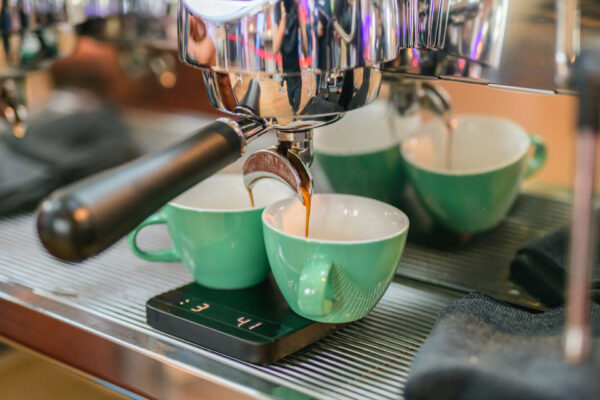
The number of cafés has remained constant over the past three years. This is quite remarkable, as supply is declining nationwide, and supply also decreased slightly in comparable student cities. Almost 75% of the total beverage sector in the municipality of Groningen is located in the city centre. It is striking that there are relatively many cafés in the municipality of Groningen (8.1 per 10,000 inhabitants) compared to comparable student cities (5.9 per 10,000 inhabitants). Furthermore, we see a substantial increase (+36%) in the number of coffee corners in the municipality of Groningen. However, this can be seen as catching up. Groningen has approximately 1.5 coffee corners per 10,000 inhabitants, which, after this significant growth, is on par with the supply in comparable student cities. In those cities, supply increased by ‘only’ 3%, but there are still relatively more coffee corners (1.6 per 10,000 inhabitants).

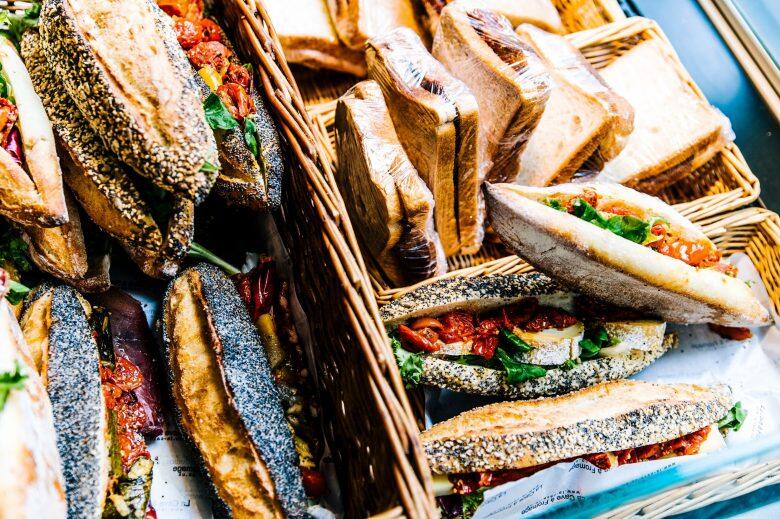
This is the sector where the greatest growth is visible in all cities nationwide. In Groningen, supply increased by 10% over three years, but it is striking that there are relatively few fast-service businesses relative to the number of inhabitants (8.3 compared to 9.3 in the comparable cities). The number of ice cream parlors and lunchrooms increased by 20% and 25% respectively, but this can again be seen partly as catching up. The supply is now (relatively) almost at the same level as in the other cities. It is notable that the number of shawarma shops in the municipality of Groningen has decreased by 6%, whereas in the comparable student cities this number has actually increased by 25%. In the city center, there has been substantial growth in the number of cafeterias (+44% to a total of 26). Here we also see innovative fries concepts such as the Frietwinkel. It is remarkable that in this segment, which typically serves a neighborhood function, supply outside the city center actually decreased (-12%).

Growth in the restaurant sector (now a total of 160) is relatively limited in Groningen (+3%, compared to +9% in comparable cities). As a result, the municipality has nearly 8 restaurants per 10,000 inhabitants, compared to 9 in comparable cities. However, we note that economies of scale are taking place. New restaurants, such as Vapiano and Happy Italy, have caused the number of square meters to increase by 10%. It is striking that the number of restaurants serving international cuisine has barely increased, whereas this is precisely the trend nationwide.