January 3, 2019 · Team HG
EA European ban on single-use plastic items, such as straws, cutlery, and plates, is coming. The EU member states agreed on this on Wednesday, December 19. The ban will likely take effect in about two years. KHN also considers it important that plastic is eventually replaced by sustainable alternatives.
Elisabeth Köstinger, the Austrian Minister for Sustainability, describes the deal on Twitter as a “milestone for our efforts to reduce plastic waste”. Austria currently holds the rotating presidency of the European Union.
In October, the European Parliament already agreed to the ban on single-use plastics by a large majority, after the European Commission had put the plan on the agenda in May. On Wednesday, December 19, representatives of the European Parliament and the EU member states reached an agreement on a ban on single-use plastics after 12.5 hours of negotiations. Formally, the countries still have to approve the ban once, because the European Commission's original proposal was slightly modified, but the ban is expected to come into effect in about two years.
With the ban, European countries aim to prevent plastic litter from ending up in the environment, and particularly in the sea. Of all the waste in the waters within the European Union, 85 percent is plastic. Single-use plastics account for half of the waste, and fishing gear such as fishing lines and nets for more than a quarter. Fish and other marine animals can become entangled in these nets.

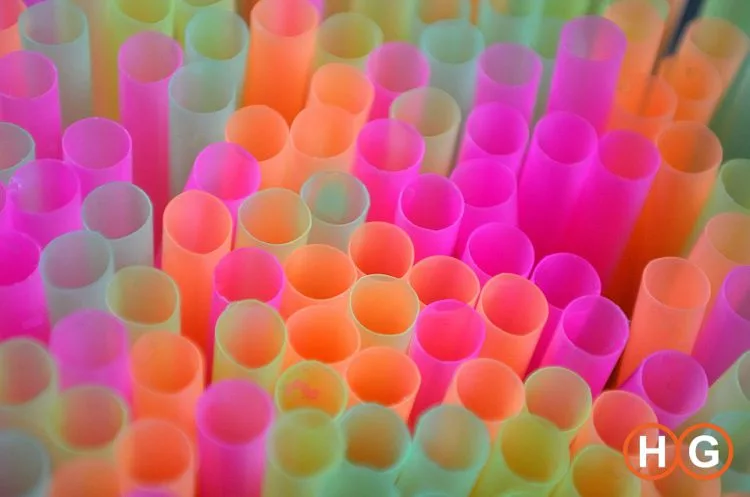
The ban will apply to the following single-use plastics: cotton swabs, cutlery, plates, straws, stirrers, balloon sticks, ultralight plastic bags, and Styrofoam food and beverage packaging.
In the EU proposal, producers are also made responsible for the costs of waste collection. This applies to, for example, manufacturers of plastic bags, balloons, and cigarette filters.
Via KHN